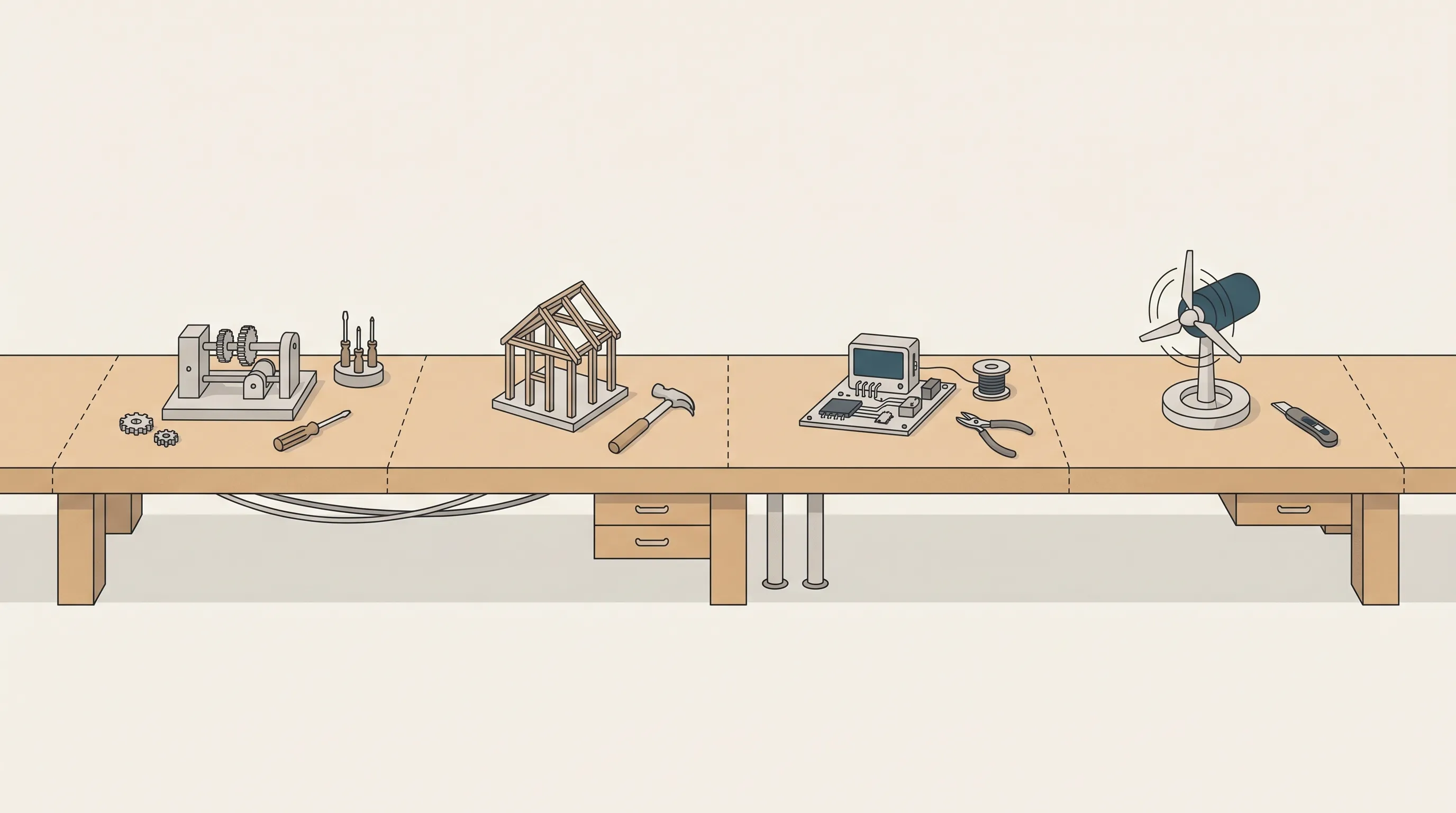
Where does the platform end? Where does its users’ responsibility begin?
Platforms are software products used by many internal users. Their purpose is to reduce the cognitive load of their users, to enable growth and ensure best practices and standards are used. This means platforms are critical for many teams. How much are the users of the platforms responsible for and how much falls on the platform team?
In a way, platforms are similar with open-source code and software that all developers use to build new products and services with. They are both about reusing already made solutions for common problems. In the case of open-source code the boundary is clear: responsibility falls mostly on the users of the code. If there are any issues, you as a user are mostly on your own, there is no support guarantee. But you also don’t pay anything for the using the code. So maybe internal platforms are more similar with paid products from this perspective: even though their users don’t pay anything for them, they do expect 24/7 support and uptime (if applies).
What should platform users expect support for when using a platform?
Should the users of a platform reach out to the platform team every time there is a problem with their product or service they build on top of the platform? Should they reach out to all platforms they are using? That would be unrealistic. Should they reach out only for the issues that seem related to the platform the platform team is offering and maintaining? That sounds a bit better, but it is still unrealistic.
Platforms are very helpful, but they can only achieve their purpose if they are also maintaining their users end-to-end independence over their product or service they are responsible for and use the platform for. Users do gain a dependency on the platform and the platform team, but this should be minimal.
What this means is that the platform should enable its users to easily debug and fix common issues concerning their usage of the platform on their own. The platform team should be contacted only for advanced situations and issues. This also makes it more manageable for the platform team, because if they need to manually help and fix every single little issue for their users, then not only they get stuck in fire-fighting mode, but they also become a bottleneck.